
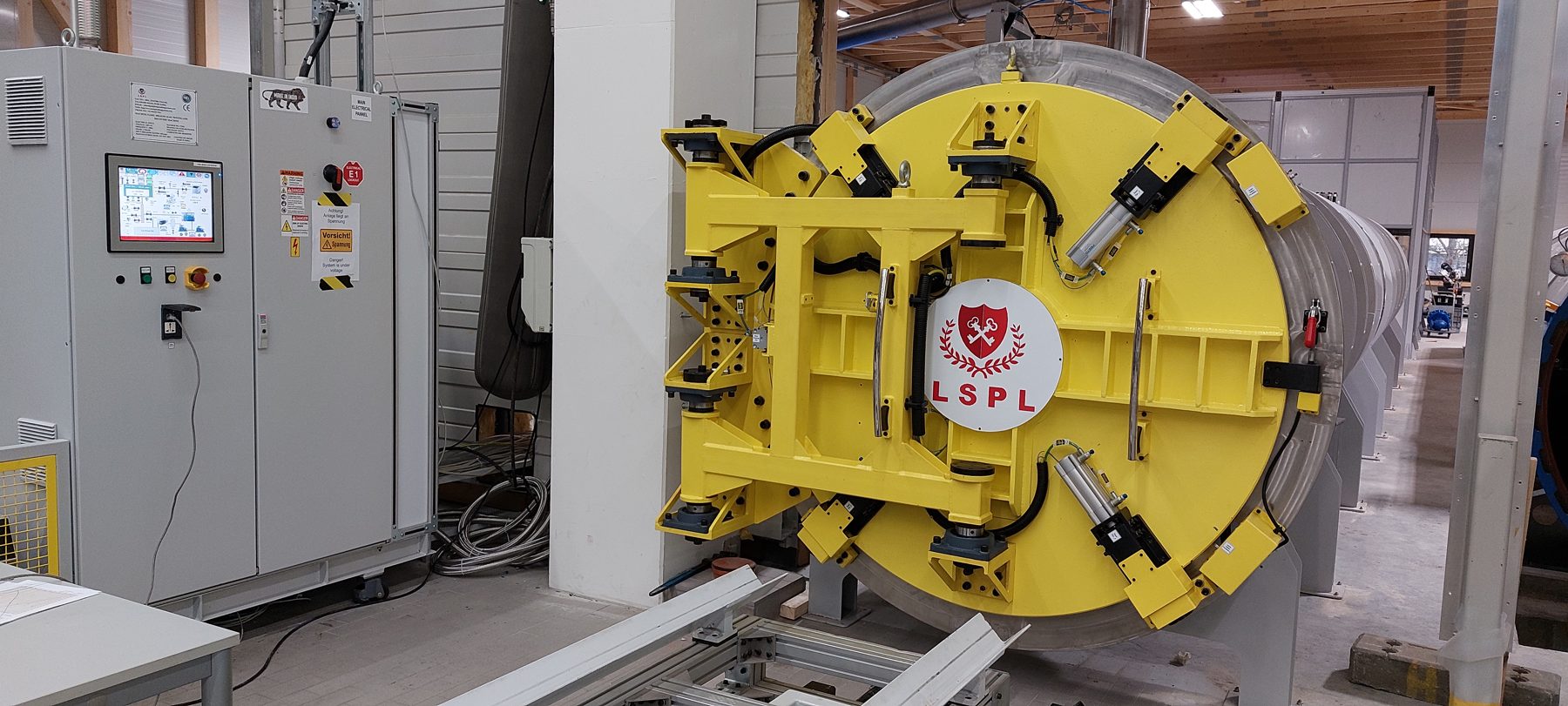
Helium leak testing machines
Inside-out, outside-in, sniffer and accumulation helium leak test systems, designed and built in Pune for the part you make.
Choose by application
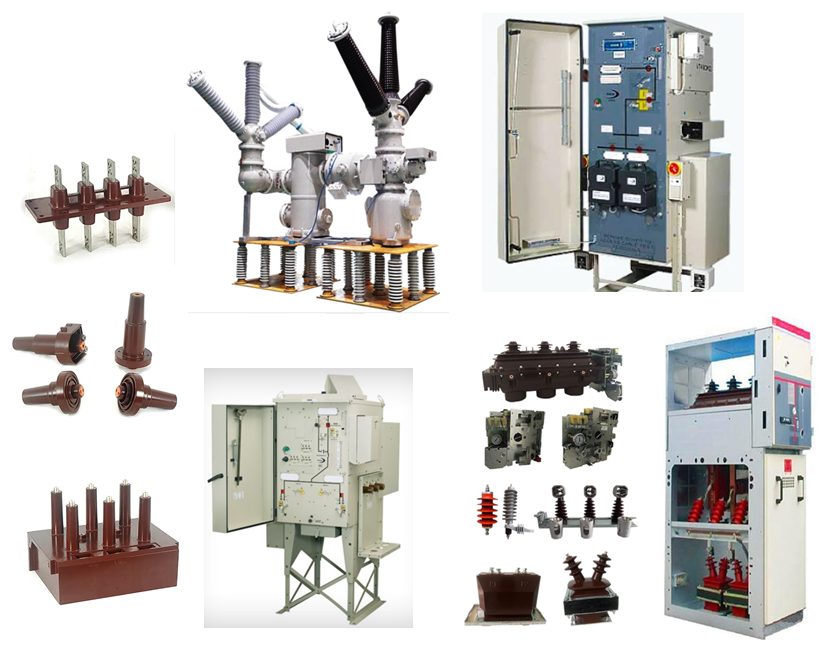
Medium-voltage switchgear, GIS & RMU tanks
Vacuum helium testing of large SF6 tanks, with automatic SF6 filling after the part passes.
View details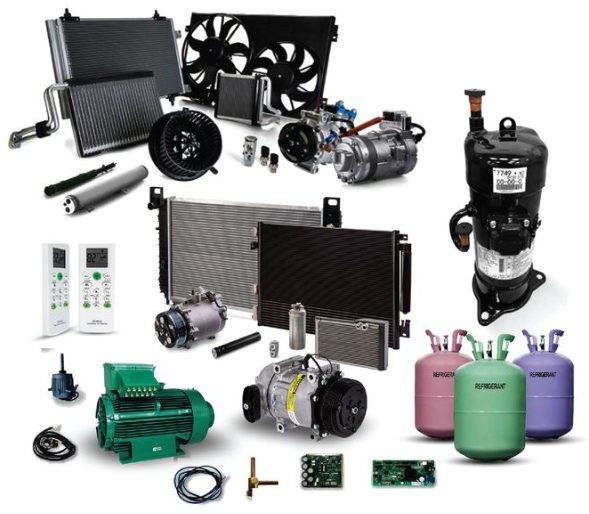
Refrigeration & HVAC components
Coils, pipes, manifolds and compressor parts tested in a vacuum chamber, with optional helium recovery.
View details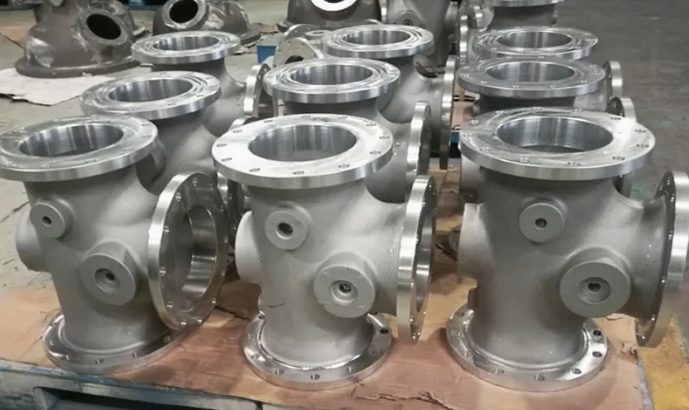
Large aluminium castings
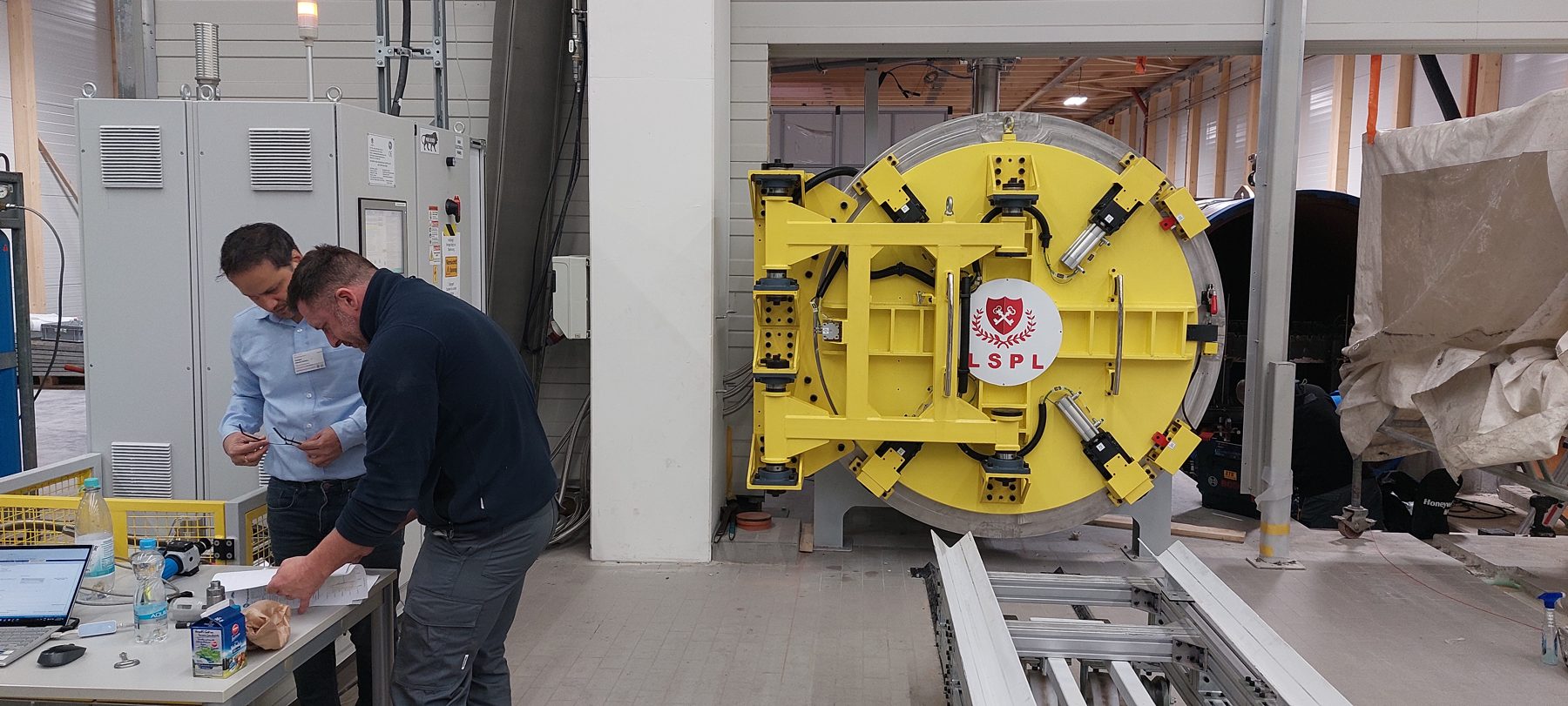
Vacuum chambers up to 2 m diameter and 15 m long for housings, blocks and structural castings.
View details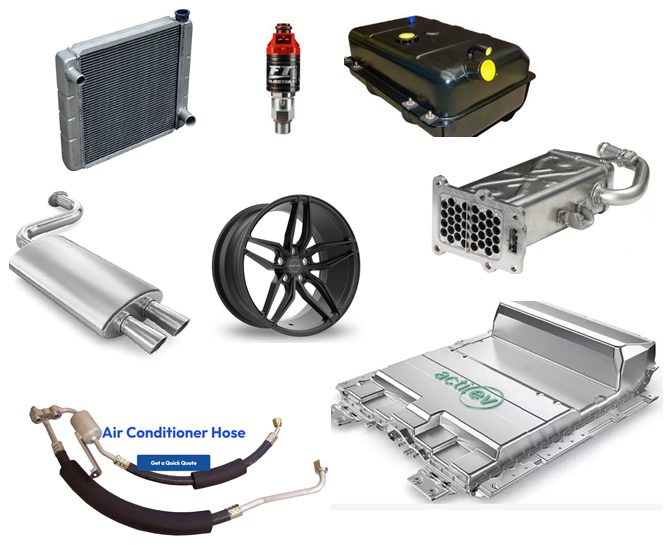
Automotive & EV parts
Battery packs, cooling plates, AC lines and fuel system parts on production lines.
View details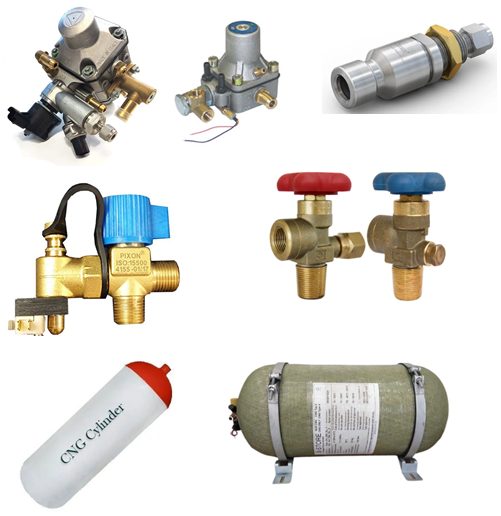
High-pressure CNG parts
Cylinder valves, regulators, high-pressure pipes and fittings tested with helium at working pressure.
View detailsTest methods we build
Vacuum chamber (inside-out)
Part filled with helium inside an evacuated chamber. Helium leaking out is measured as one total leak rate for the whole part.
Outside-in
Part evacuated and connected to the detector while helium is applied outside it, by hood or spray. Suits parts that can't be pressurised.
Sniffer
A probe traces helium escaping from a pressurised part to find where the leak is, not just whether there is one.
Accumulation
Helium leaking from the pressurised part collects in an enclosed space and is measured after a set time.
How a project runs
- Part review. You share a drawing, sample or photo, the reject leak rate and target cycle time.
- Method and concept. We propose the test method, chamber size, fixture and layout with a quotation.
- Design and build. Mechanical, pneumatic and PLC design, then manufacture at our Pune works.
- Trial on your parts. Factory acceptance test with your good and leaking samples, witnessed by your team.
- Installation and training. Commissioning at your plant, operator training and documentation.
- Service. Calibration, spares and support after handover.
Not sure helium is the right test?
Helium is the right choice when your leak limit is tighter than air pressure-decay testing can reliably detect, or when the part contains refrigerant, SF6 or coolant that must stay sealed for years. Read our guide Helium vs pressure decay leak testing or simply send us your part details.